Naracoorte Heritage Trail
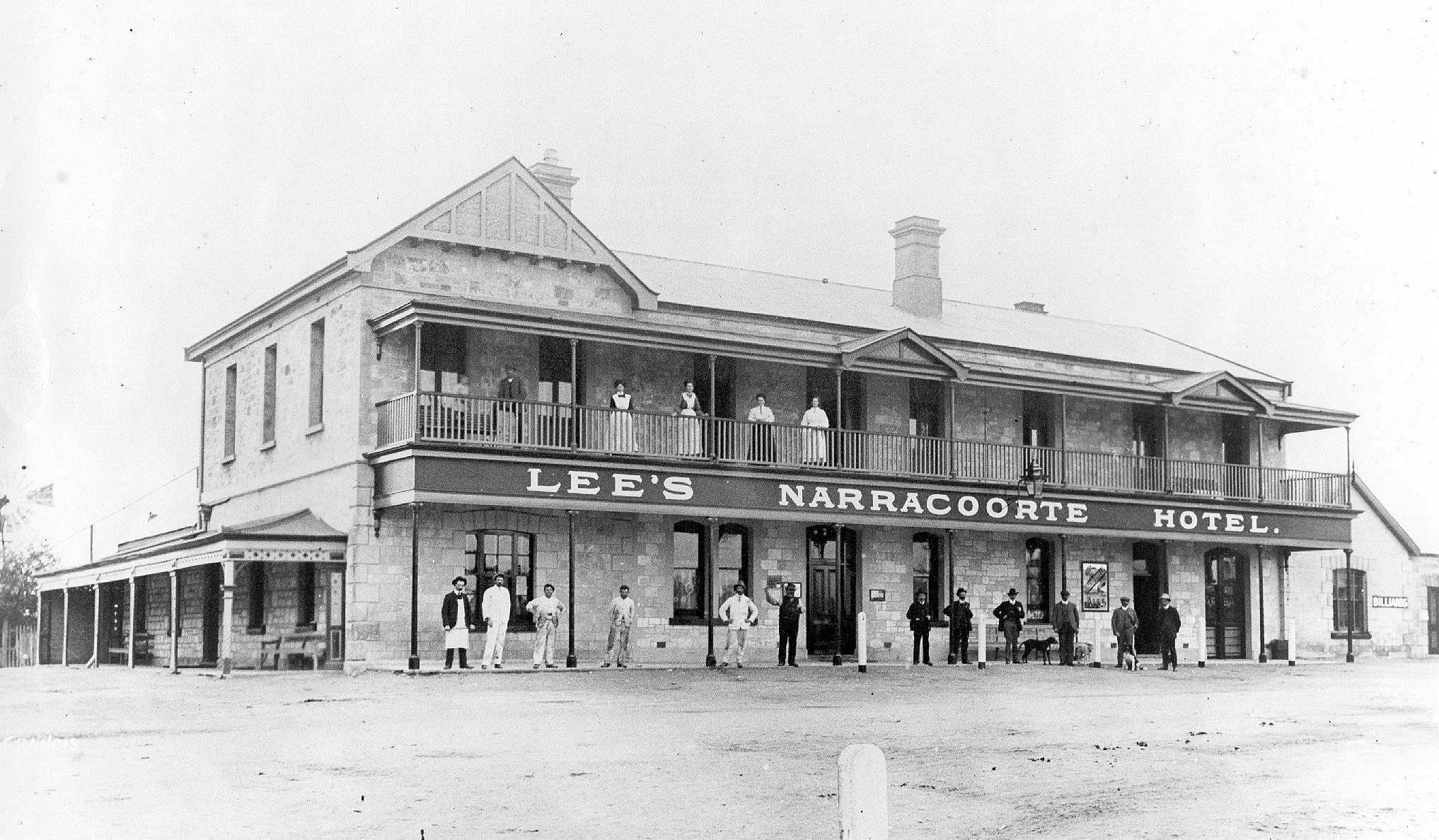
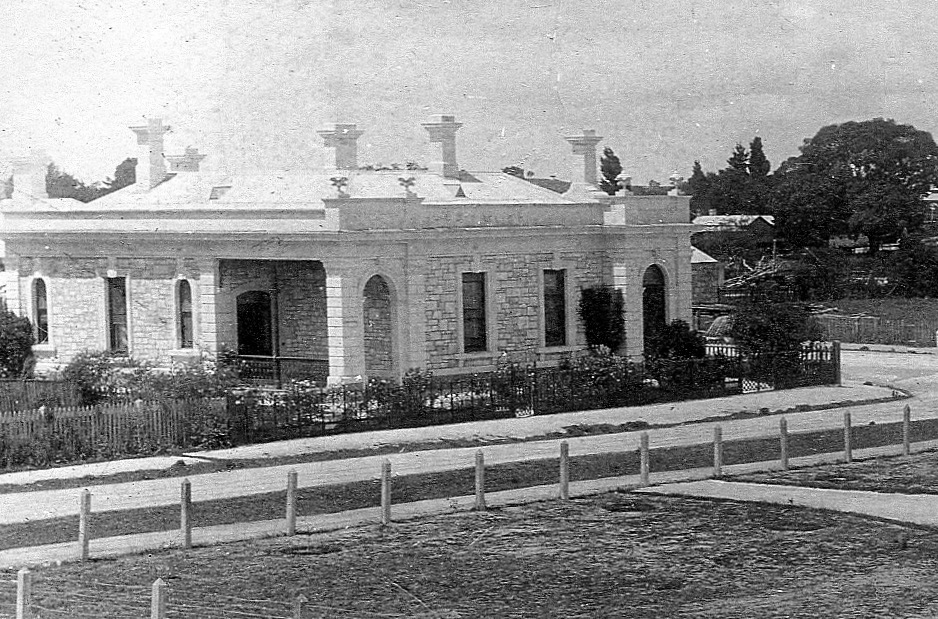
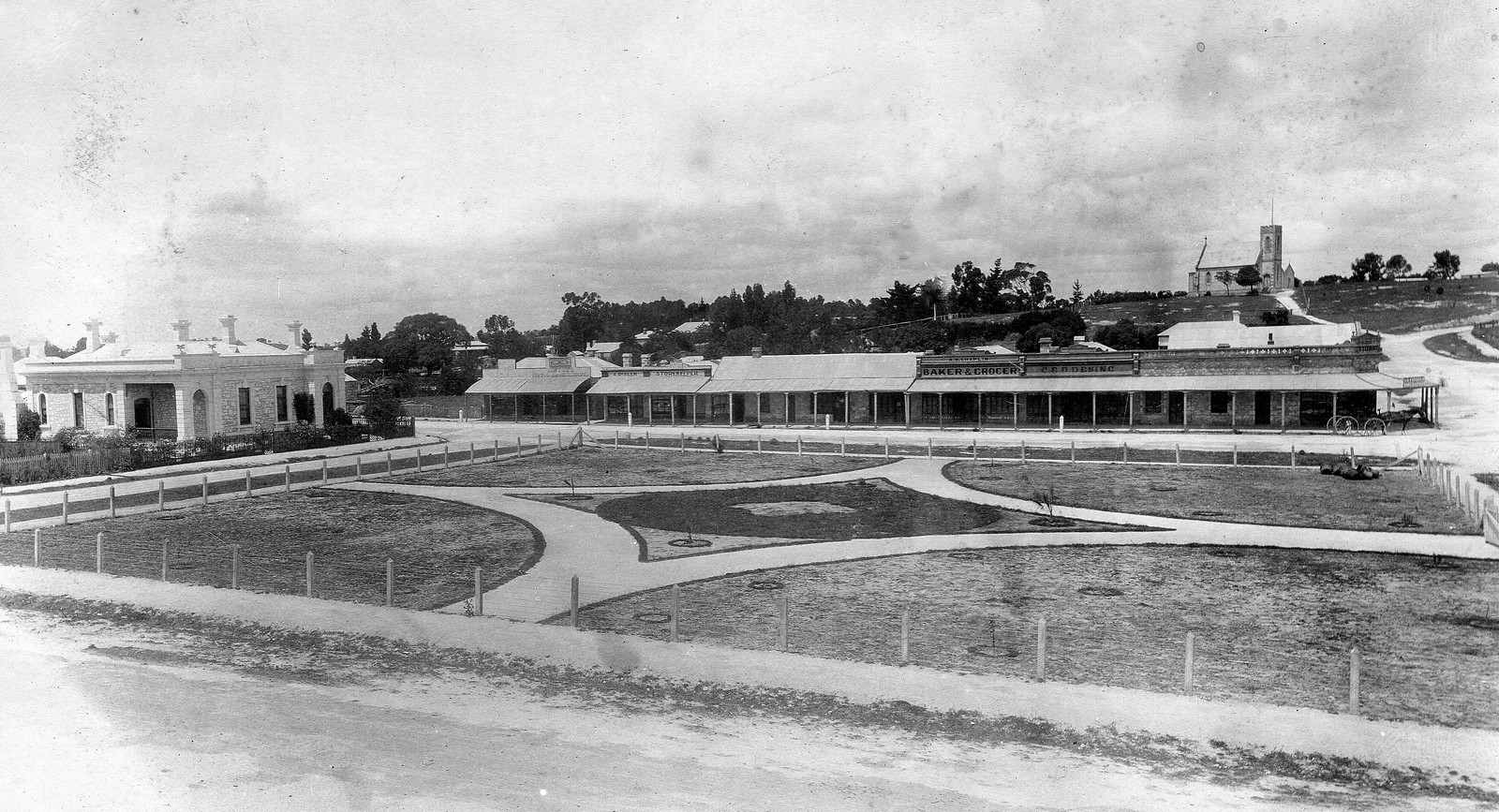
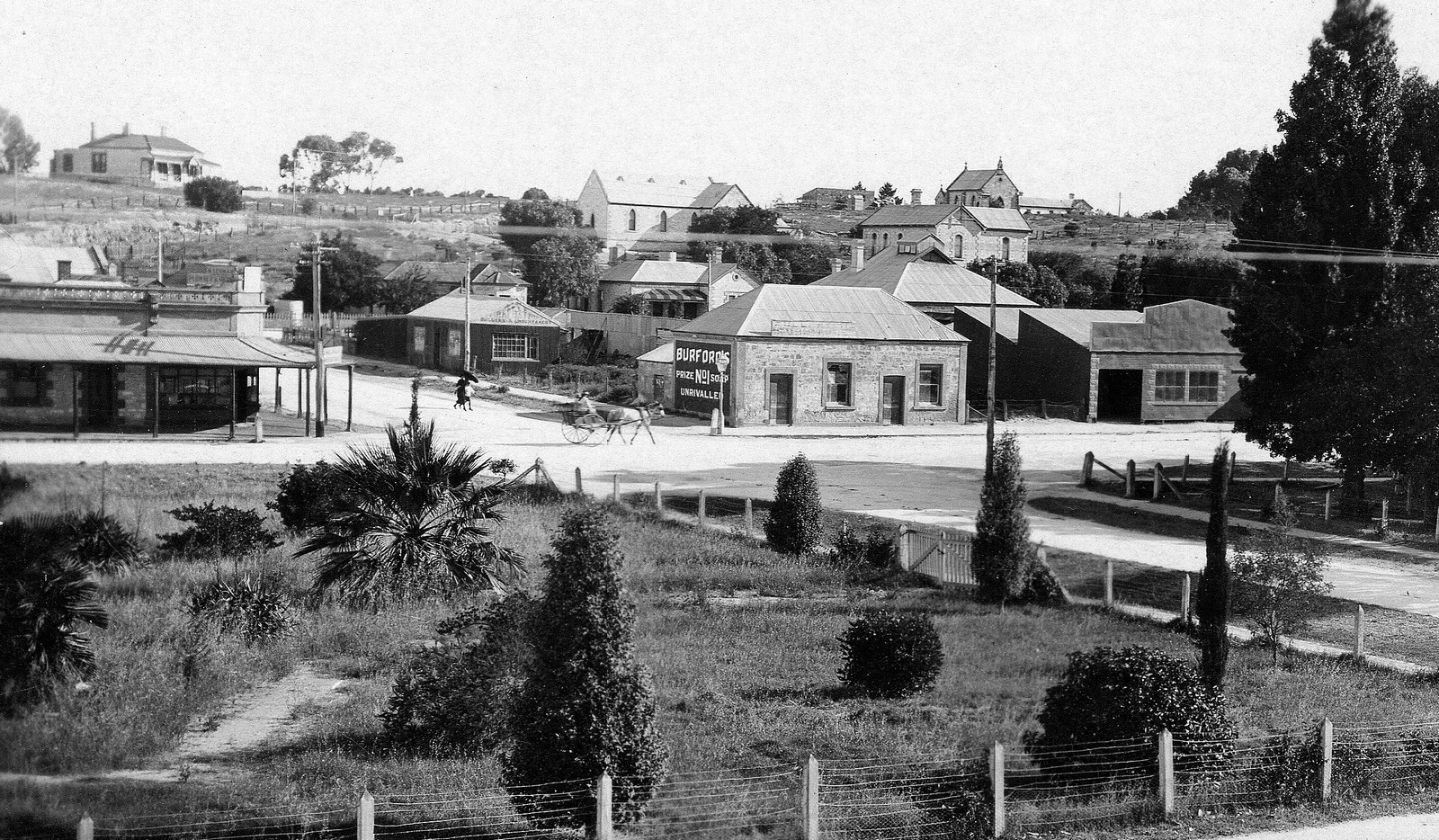
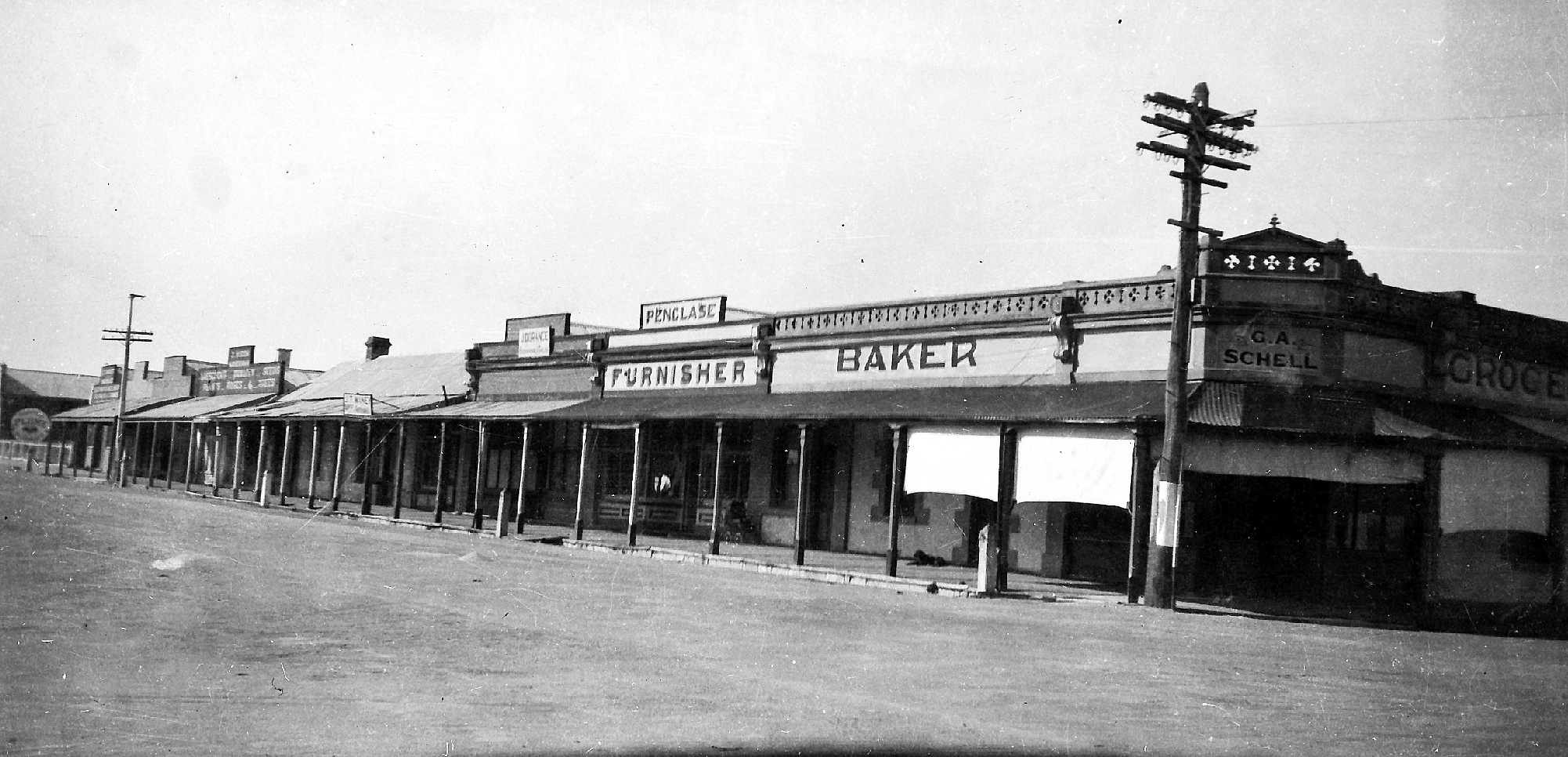
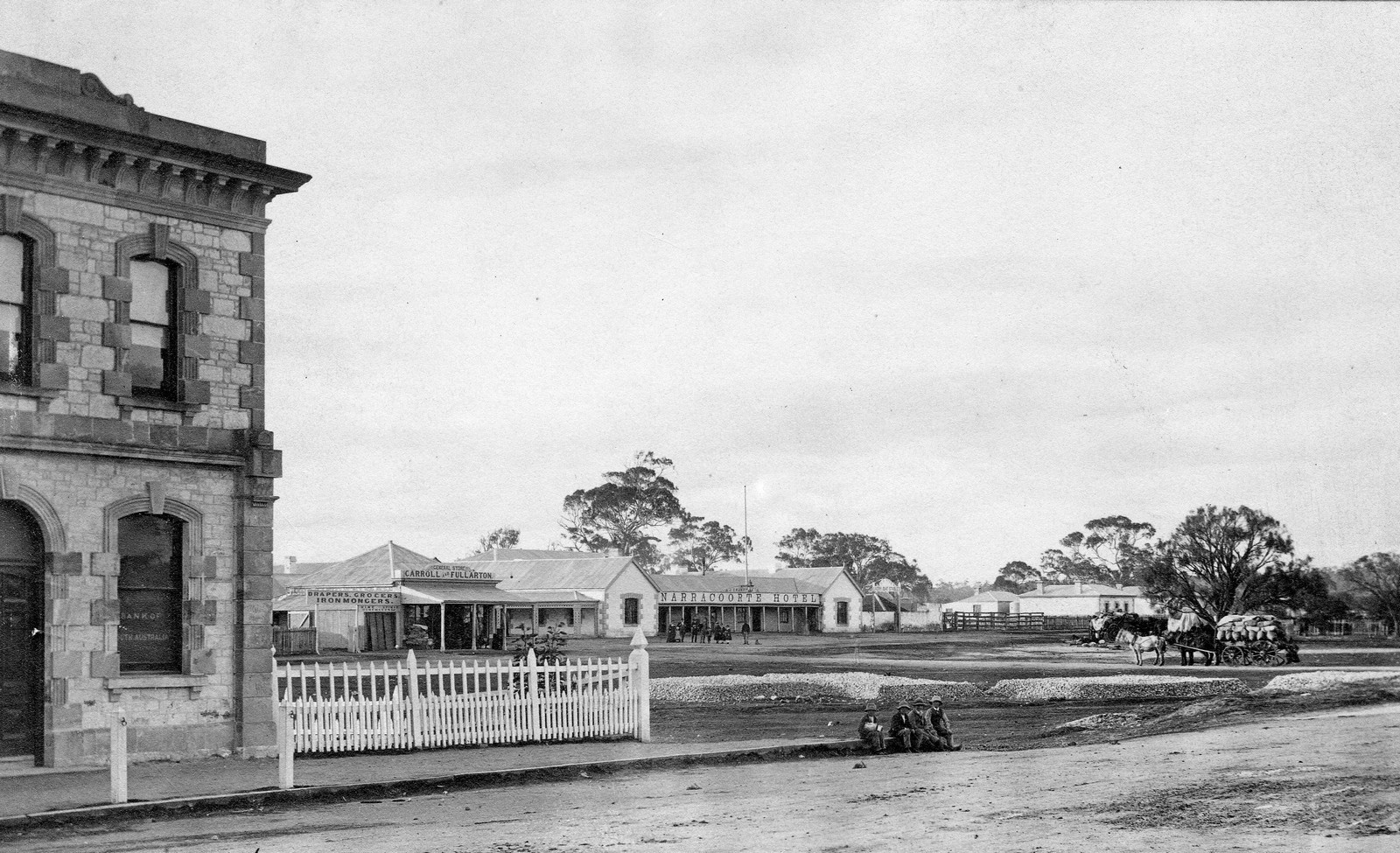
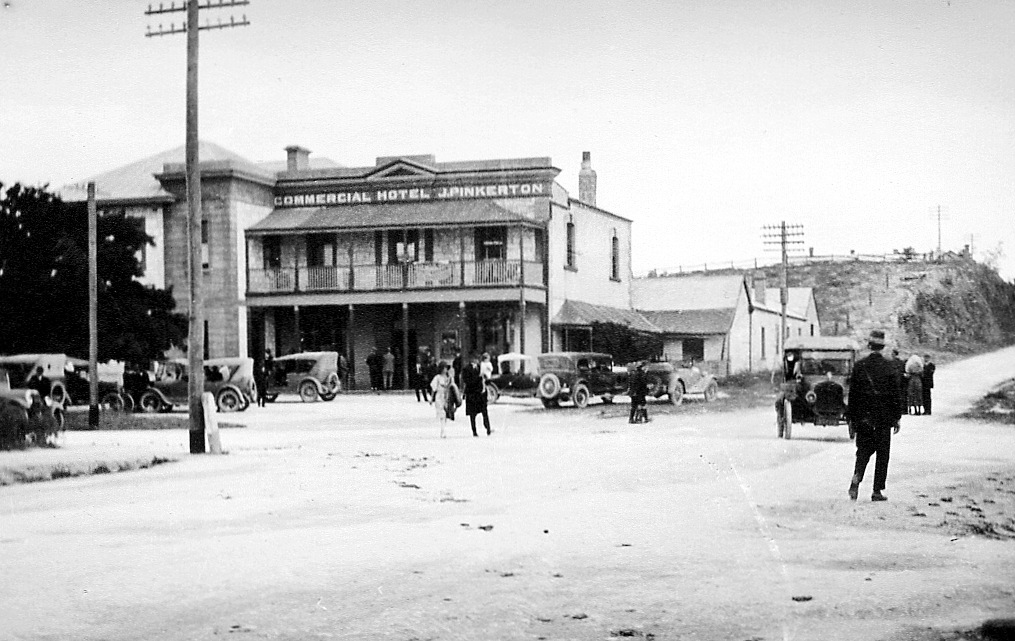
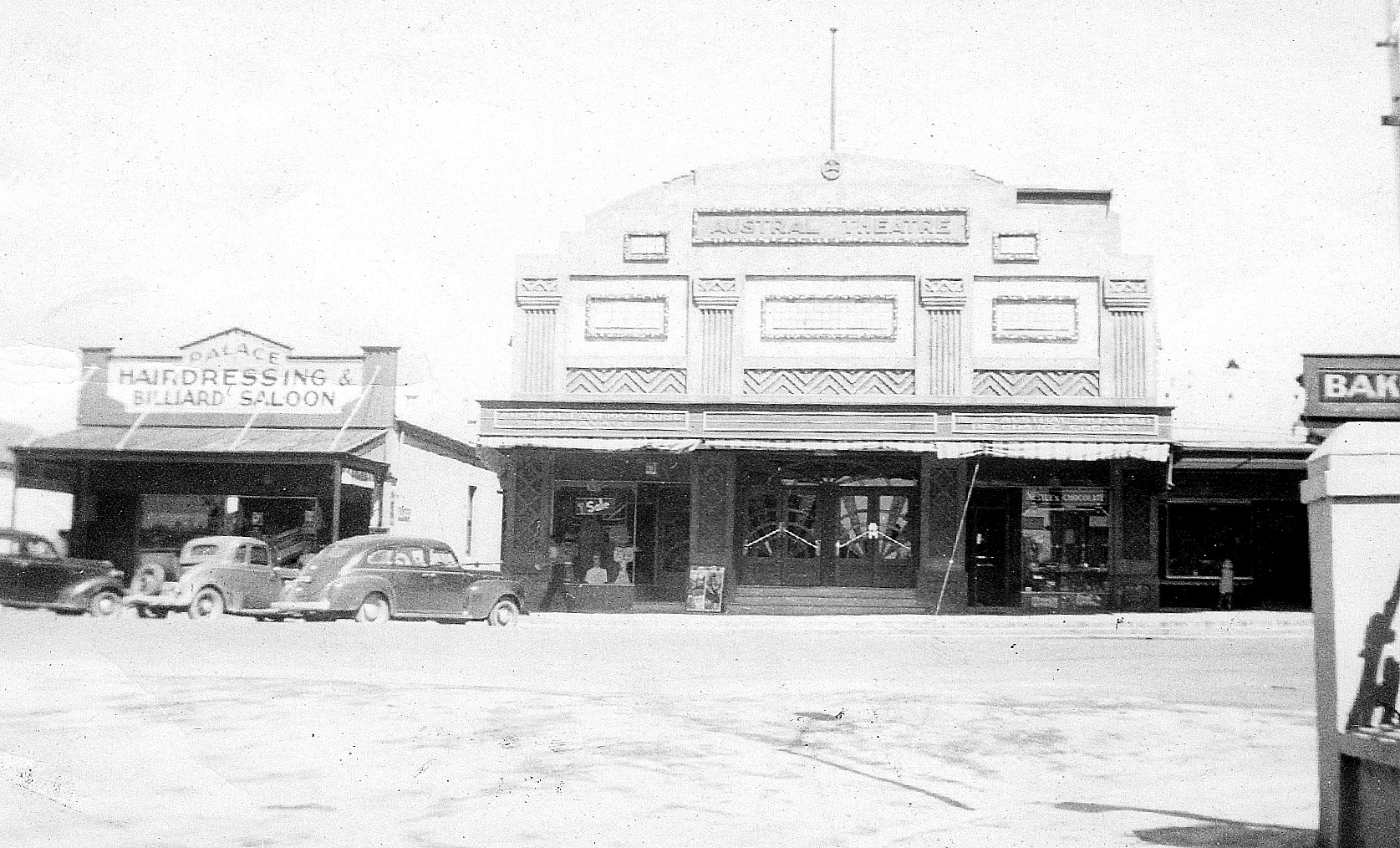
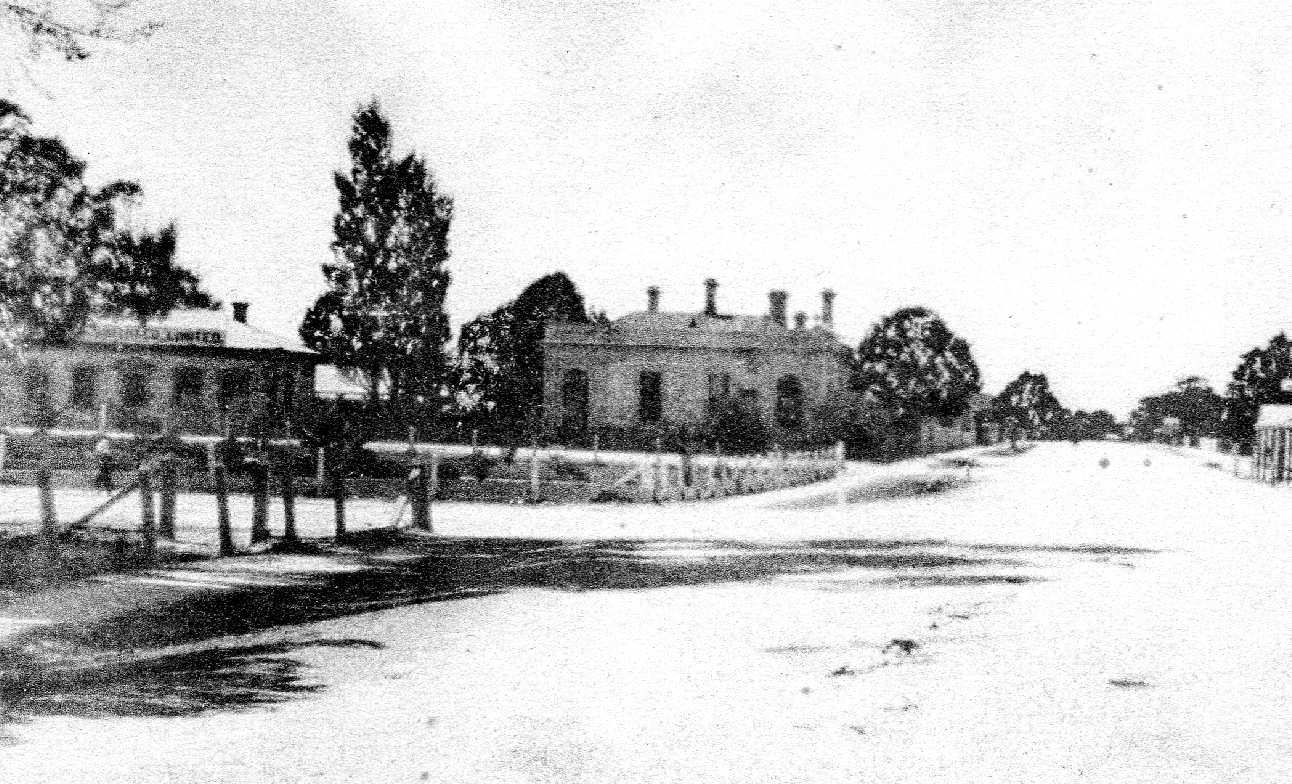
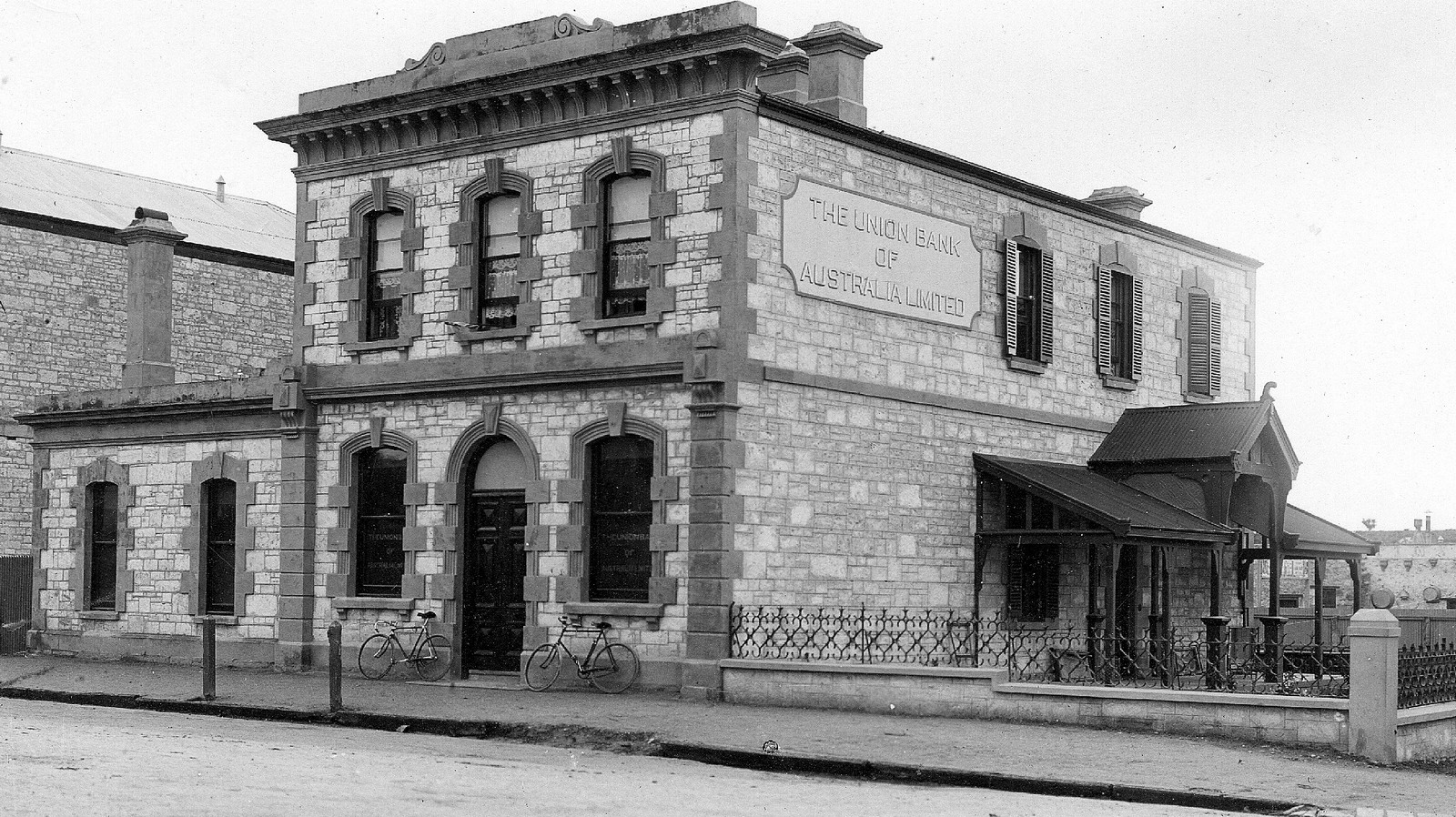
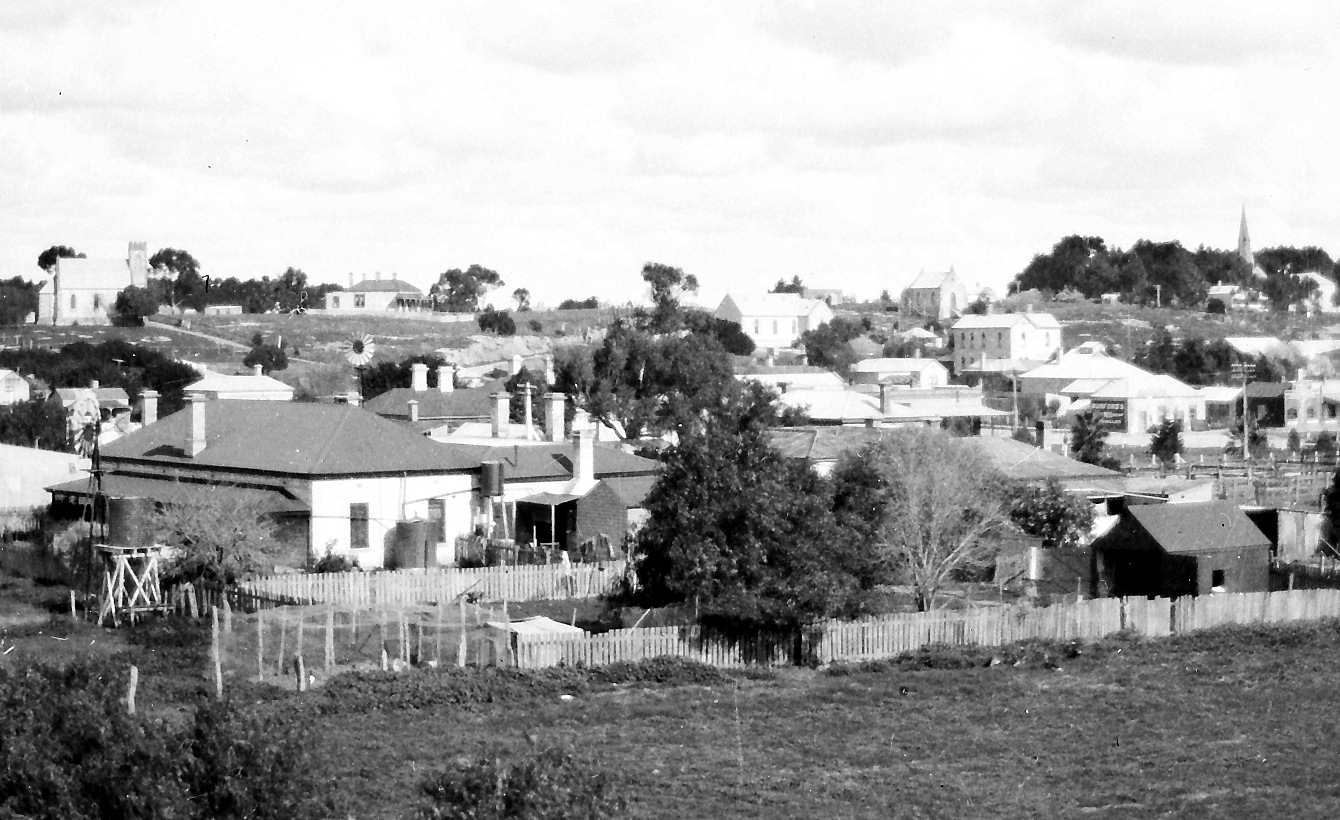
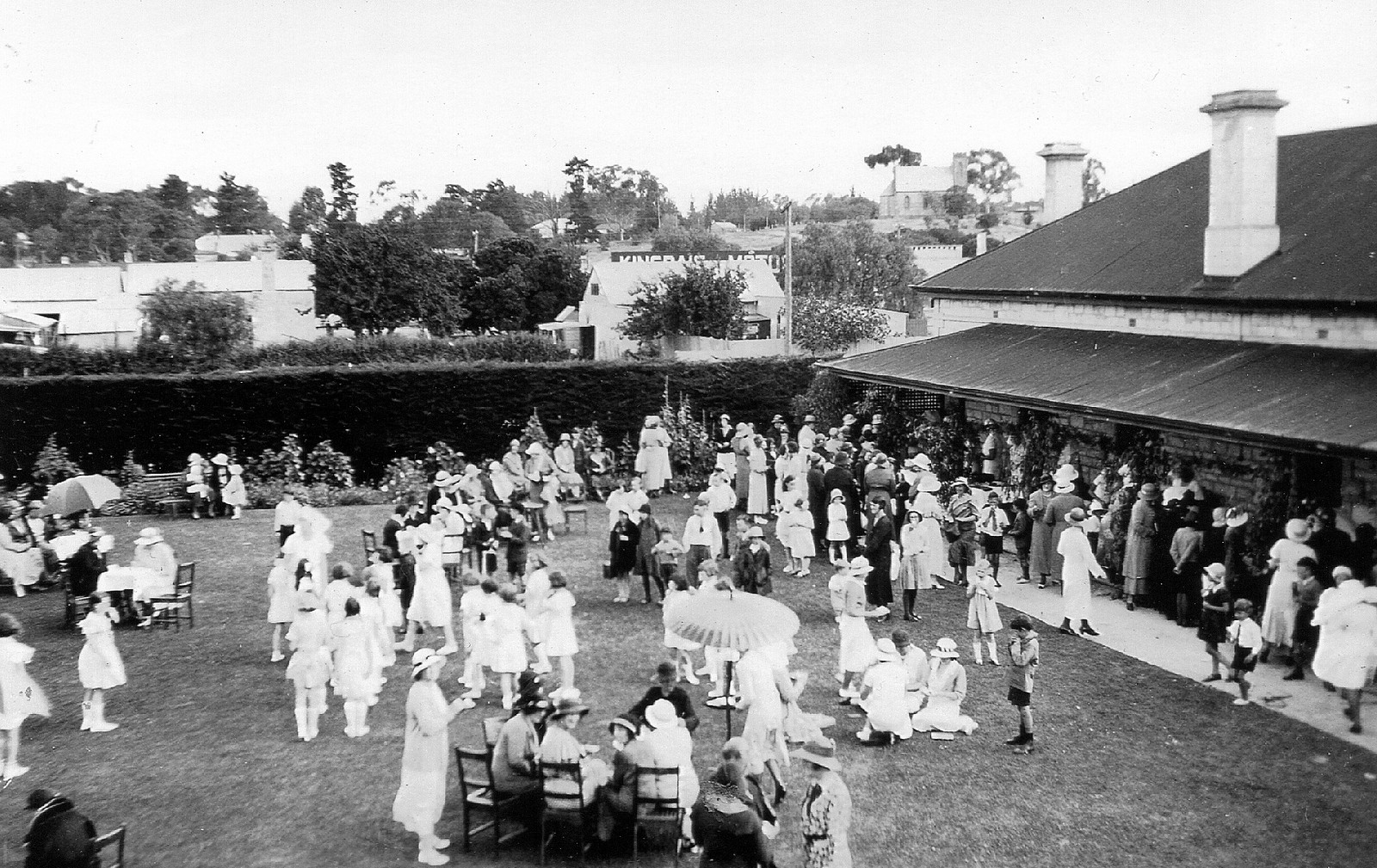
Discover the stories of Naracoorte since its settlement over 150 years ago. There are 18 markers in and around Naracoorte’s town centre which highlight points of historical significance and recount stories of how any why Naracoorte was establish and how it has evolved.
You can download and print the trial map here. Or you can collect a copy from the Naracoorte Visitor Information Centre.
A brief history of Naracoorte
Naracoorte, originally referred to as The Mosquito Plains Settlement is a combination of two townships, Kincraig and Narracoorte.
Many settlers from eastern colonies and fledgling settlements in South Australia, came with flocks of sheep, to Naracoorte for its extensive “unoccupied” and well-watered agricultural land. Large farming stations were established in the area.
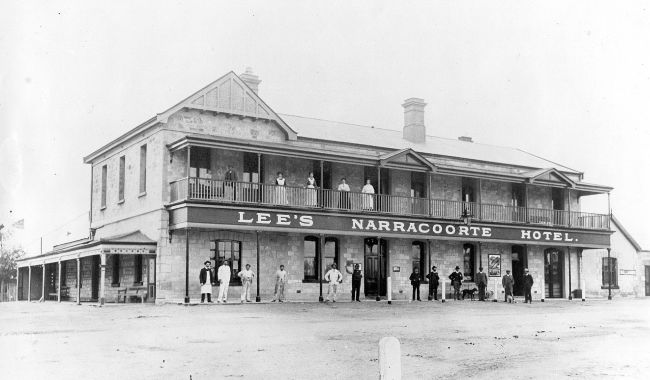
In 1842 George Ormerod established the Naracoorte Run, he then built a hut on the Naracoorte Creek, making him the first white man to live where Naracoorte now stands. In 1845 William MacIntosh arrived and established a store near the Creek, soon after opening a hotel that was given a license in 1850.
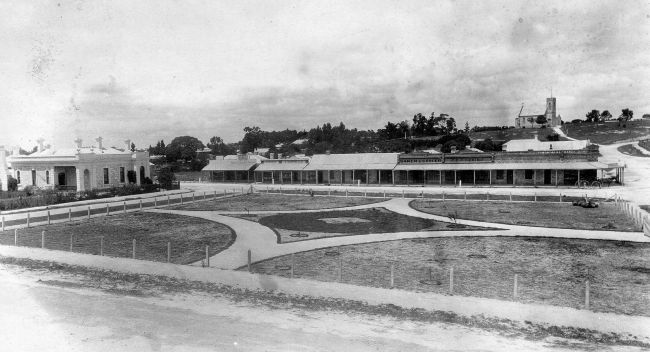
William MacIntosh bought land adjacent to his hotel, and had a town surveyed. The private town, named Kincraig after his birth town in Scotland, was built around the town squares.
Soon after the Government bought land from Ormerod’s Naracoorte Station and surveyed a new town across the creek from Kincraig. The new town “Narracoorte” was the site of all government services; such as the post, telegraph and police.
This was a major disadvantage to the residents of Kincraig, as the majority of the population lived in Kincraig, the services were gradually moved to the Kincraig Township. By 1869 both towns were united and called “Naracoorte”. Remnants of the original town, Kincraig, can be found throughout Naracoorte.
Prior to European settlement, several groups of Indigenous people occupied the region, with the Meintangk most closely aligned to our district.